Build your Cyprus cultural holiday around a few good visits
Start with Choirokoitia for early village life, Kourion for archaeology above the sea, and Paphos for a fuller day among mosaics and ancient sites. Add Larnaca or Nicosia if museums and old towns matter most to you.
Cyprus history is easier to appreciate when you leave time for one site rather than rushing between many. A museum can put an archaeological visit in context; a village lunch can connect older stories with daily life today.
We recommend Tochni as a traditional base for southern Cyprus cultural outings. Cyprus Villages has welcomed guests since 1988 in village apartments, with Tochni Tavern for a relaxed meal after exploring. It is particularly useful for nearby heritage and journeys towards Larnaca and Limassol.
Choirokoitia: start with early village life
The UNESCO-listed Neolithic settlement at Choirokoitia gives you a very different starting point from a medieval castle or Roman theatre. Its reconstructed circular dwellings make the idea of an early settlement tangible.
It is a natural cultural outing from a Tochni stay. Give yourself time to read the interpretation and understand the relationship between the hillside remains and reconstructed houses.
The sloping site matters if anyone in your group has mobility needs. The tourism authority distinguishes the hillside access from the area of reconstructed dwellings; confirm the current arrangements before visiting.
Kourion: archaeology with a coastal setting
Kourion, west of Limassol, combines ancient remains with an open coastal landscape. It suits visitors who want a major archaeological stop without making a western-island circuit the same day.
Plan the site as the main attraction. Check its current opening arrangements, wear comfortable shoes and bring sun protection; exposed archaeological ground can be demanding in warm weather.
You can pair it with a coastal lunch or a Limassol stop if you have enough time. Do not confuse Kourion with the nearby Sanctuary of Apollo Hylates: they are separate visits and should be planned accordingly.
Paphos: mosaics and the Tombs of the Kings
Paphos is worth a dedicated day for travellers interested in archaeology. The Kato Paphos archaeological area and the Tombs of the Kings are different sites; choose the visits that most interest you and check access and opening hours separately.
The Tombs of the Kings’ name can be misleading: it refers to an impressive ancient burial complex rather than a straightforward collection of royal graves. Give yourself time to look at the architecture rather than treating it as a photo stop.
If Paphos and the western coast are the main purpose of your trip, consider several nights in the west. From Tochni, make it a proper full-day outing rather than an afternoon extra.
Larnaca and Nicosia: make time for context
In Larnaca, the old town and St Lazarus Church can sit alongside a seafront walk. Hala Sultan Tekke, by the Salt Lake, is a separate cultural visit with its own setting and requirements.
Nicosia offers a different perspective through its old streets and museums. The Cyprus Museum is an archaeological collection, while a city-history museum serves a different purpose; choose according to what you want to learn.
Cyprus is a divided island. If your itinerary includes crossing the Green Line or visiting sites in the north, check official travel guidance, entry arrangements and transport or rental insurance before setting out. Avoid treating a crossing as just another turn on a map.
Village culture: Lefkara, Omodos, Tochni and Kalavasos
Lefkara offers a way to connect a village visit with lace and silver craft. Omodos combines a traditional village setting with nearby wine-country outings. Check individual workshops and religious sites rather than expecting every place to be open on arrival.
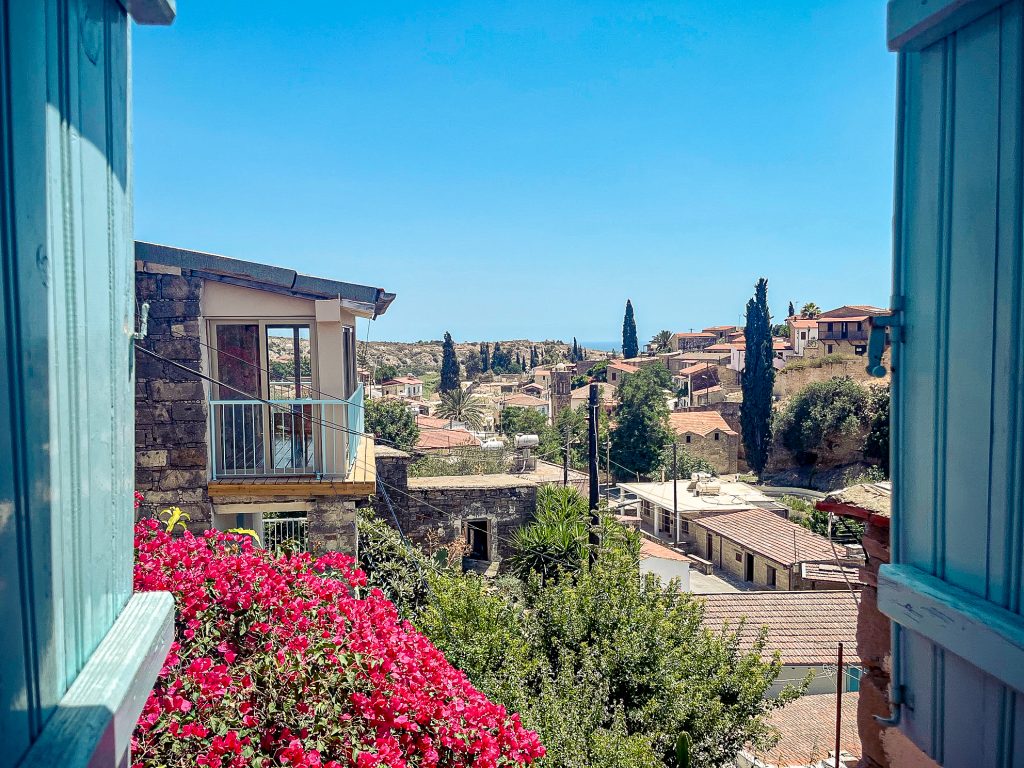
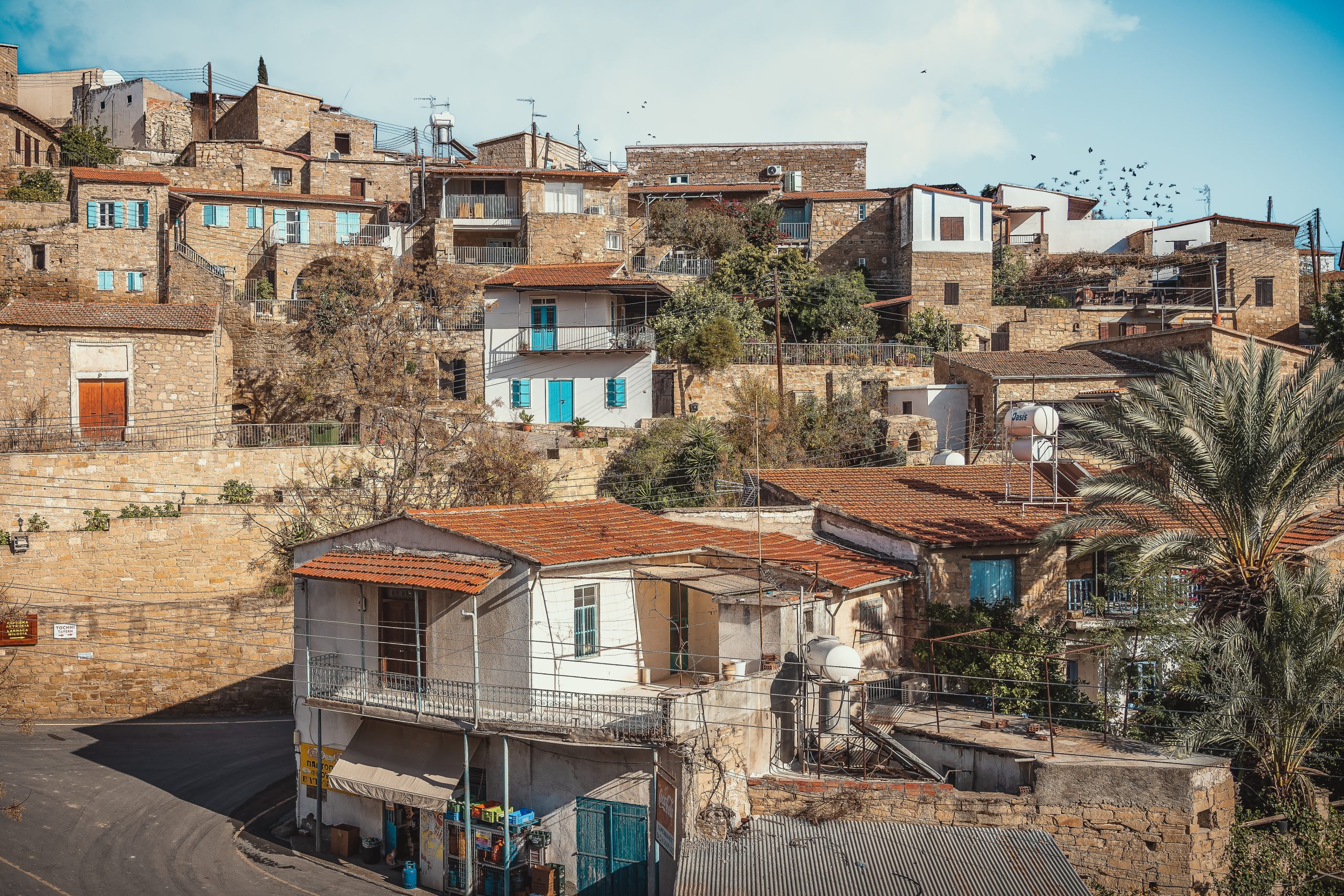
Tochni and Kalavasos are places where people live, not staged historical attractions. Walk respectfully, keep noise low near homes, and make time for ordinary village life. An evening meal can be as memorable as another monument.
At Cyprus Villages, traditional accommodation is part of that setting. Our accommodation story explains what a village stay offers and what to check before booking.
Practical planning for cultural visits
Check current opening hours, ticket arrangements, access and holiday closures through the attraction or official tourism information. Religious sites may require modest clothing and may restrict photography.
For warmer dates, plan exposed ruins early and museums later. Choose shoes for steps and uneven ground, and keep water with you. Families can alternate a more detailed historical visit with time outdoors.
Group destinations geographically using our day trips by car guide. For a visit centred on food and wine as well as history, add a carefully planned winery outing.
Cyprus culture questions
Which historical site should I visit near Tochni?
Choirokoitia is a useful first choice for early village history near the southern road network. Check the current access and visitor information before leaving.
Can I visit Kourion and Paphos in one day?
You can plan a route, but it may leave too little time at each site. Choose one main focus and add another stop only if travel and opening hours allow a proper visit.
Are archaeological sites suitable for limited mobility?
Access varies by site and specific area. Steps, slopes and uneven ground are common; confirm arrangements directly rather than relying on a general accessibility promise.
What should I wear in churches or monasteries?
Dress modestly and follow the guidance of the specific site. Check opening times and any photography restrictions in advance.
Sources and practical information
Information checked for this editorial refresh in October 2026. Confirm time-sensitive details with the official source before travelling.